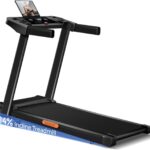
In today’s fast-paced world, more and more people are turning to home fitness solutions to stay active, save time, and maintain a consistent workout routine. Among the many home exercise options available, treadmills remain one of the most popular choices. They offer convenience, versatility, and the ability to exercise regardless of weather conditions.
However, with countless treadmill models on the market, choosing the right one for your home can be overwhelming. From motor power to incline features, size, and budget, there are many factors to consider before making your investment. This guide will walk you through everything you need to know to select the ideal treadmill for your needs.
1. Understand Your Fitness Goals
Before diving into technical specifications, start with your goals.
- Weight loss: If your primary goal is burning calories, look for a treadmill with good speed range and incline options.
- Endurance training: For longer running sessions, a powerful motor and larger running deck are essential.
- Walking and light jogging: If you simply want to stay active, a more compact and affordable treadmill may suffice.
Knowing your goals will help narrow down the options and prevent overspending on features you won’t use.
2. Consider Your Available Space
Treadmills can be large, and it’s important to ensure you have enough room for both the machine and safe movement around it.
- Measure your space: Account for the treadmill’s length, width, and height.
- Check for foldable designs: If you live in an apartment or have limited space, a foldable treadmill can save valuable room when not in use.
- Ceiling height: Especially important if you plan to use incline settings, as you’ll be elevated during workouts.
3. Motor Power and Performance
The motor is the heart of your treadmill. Its power determines the smoothness of your workout and the treadmill’s durability.
- For walking: A 2.0–2.5 CHP (continuous horsepower) motor is sufficient.
- For jogging: Look for at least 2.5–3.0 CHP.
- For running: A 3.0+ CHP motor ensures reliable performance.
A strong motor also handles longer sessions and heavier users more effectively, reducing wear and tear.
4. Running Deck Size and Cushioning
The running deck size impacts comfort and safety.
- Walking: 45–50 inches in length is adequate.
- Running: Aim for at least 55–60 inches in length to prevent feeling cramped.
Cushioning systems are also important as they reduce impact on joints, making workouts safer and more comfortable—especially for older users or those with joint concerns.
5. Incline and Decline Features
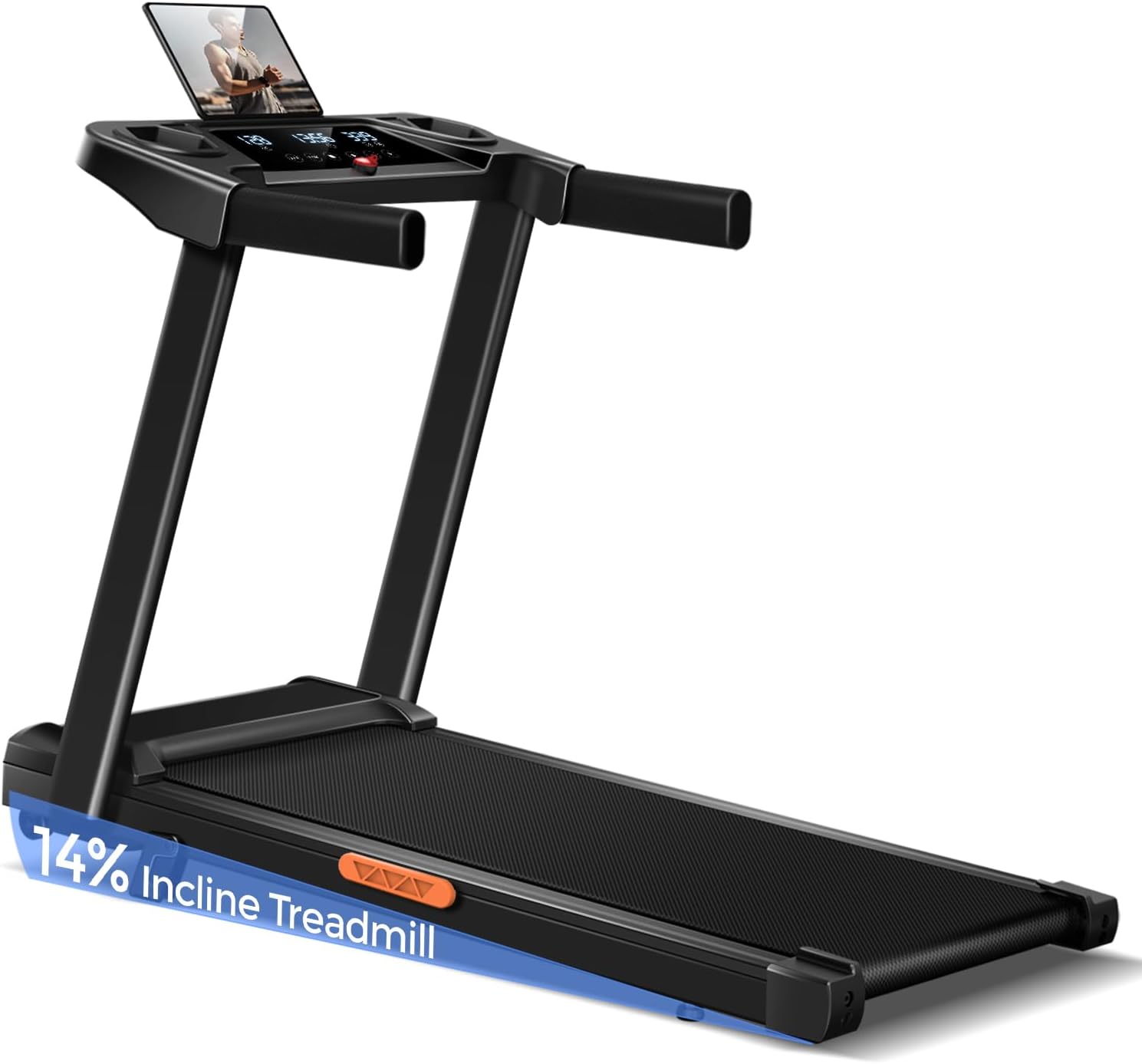
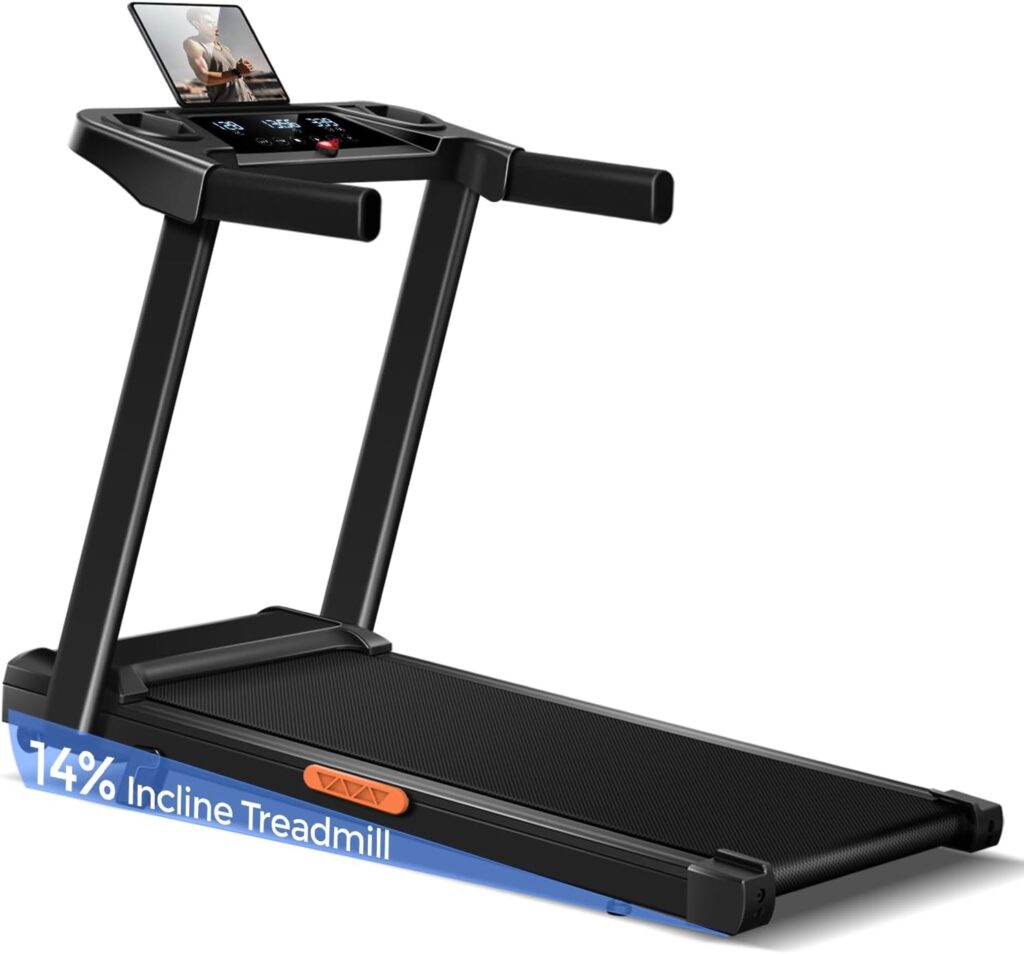
Incline features simulate uphill running, helping to burn more calories and build muscle.
- Standard inclines: Most treadmills offer 0–10% incline.
- Advanced models: Some include 15% or higher, along with decline options to mimic downhill running.
These variations make workouts more dynamic and help target different muscle groups.
6. Speed Range
Consider the maximum speed the treadmill offers.
- Walking: A max speed of 6–8 mph is enough.
- Running: Look for 10–12 mph to accommodate faster paces.
Even if you don’t plan to sprint, having extra speed capacity ensures the treadmill won’t limit your progress over time.
7. Technology and Smart Features
Modern treadmills often include advanced features to make workouts more engaging.
- Touchscreen displays with workout tracking and virtual routes.
- Bluetooth speakers for music or guided workouts.
- App integration with platforms like iFit, Zwift, or Peloton.
- Heart rate monitors for tracking intensity.
While these features can enhance motivation, be mindful of whether you’ll actually use them, as they can significantly affect the price.
8. Build Quality and Weight Capacity
A treadmill should feel sturdy and stable, even at higher speeds.
- Check the frame: Steel frames tend to be more durable.
- Weight capacity: Look for at least 50 lbs more than the heaviest expected user for optimal performance.
A well-built treadmill also produces less noise, which is important if you live in shared housing.
9. Budget Considerations
Treadmills vary widely in price.
- Entry-level ($400–$800): Best for walking or light jogging, with basic features.
- Mid-range ($800–$1,500): Offers stronger motors, better cushioning, and more programs.
- High-end ($1,500+): Designed for serious runners, with advanced features and maximum durability.
Remember to factor in maintenance costs and potential subscription fees for workout apps.
10. Safety Features
Safety should never be overlooked. Look for:
- Emergency stop key: Automatically stops the belt if you trip.
- Side rails: Provide stability when starting or stopping.
- Auto-pause: Pauses the treadmill if you step off.
11. Try Before You Buy
If possible, visit a store and test the treadmill. Check for:
- Noise levels.
- Smooth belt movement.
- Comfort of the deck and cushioning.
- Ease of using the control panel.
Even if you plan to purchase online, testing models in person can help you avoid disappointment.
12. Warranty and Customer Support
A good warranty indicates manufacturer confidence in their product. Look for:
- Frame warranty: At least 10 years to lifetime.
- Motor warranty: 5–10 years.
- Parts and labor: 1–3 years.
Also, check reviews for customer service responsiveness in case you need repairs or replacements.
Conclusion
Choosing the perfect home treadmill is about balancing your fitness goals, available space, and budget with the right features. Whether you’re a casual walker or a dedicated runner, investing in the right treadmill can transform your home into a personal fitness hub.
By carefully considering motor power, running deck size, incline options, technology features, and build quality, you’ll ensure that your purchase not only meets your needs today but continues to support your fitness journey for years to come.