The world of technology is constantly evolving, and one of the most significant advancements in recent years is the development and rollout of 5G networks. As the fifth generation of mobile network technology, 5G promises to revolutionize how we connect to the internet and interact with digital devices. This article aims to explain what 5G is, how it works, its benefits, challenges, and most importantly, how it will impact the internet and our daily lives.
What is 5G?
5G stands for the fifth generation of wireless communication technology. It succeeds 4G (LTE) networks, offering much faster data speeds, lower latency, and the capacity to connect more devices simultaneously. Unlike previous generations, 5G uses a combination of new radio frequencies and advanced technologies to deliver enhanced network performance.
How Does 5G Work?
5G operates on a range of frequency bands, including low-band, mid-band, and high-band (millimeter wave or mmWave). Each frequency range has unique characteristics:
- Low-band frequencies provide broad coverage and better penetration through walls but offer slower speeds compared to higher bands.
- Mid-band frequencies strike a balance between coverage and speed, delivering faster internet with moderate range.
- High-band frequencies (mmWave) offer extremely fast speeds and low latency but have limited coverage and difficulty penetrating obstacles like buildings or trees.
To optimize performance, 5G networks employ advanced technologies such as Massive MIMO (Multiple Input Multiple Output), beamforming, and network slicing. Massive MIMO uses multiple antennas to transmit and receive more data simultaneously. Beamforming directs signals more efficiently toward users instead of broadcasting in all directions. Network slicing allows operators to create virtual networks tailored for specific needs or industries.
Key Benefits of 5G
- Faster Speeds: 5G can theoretically reach speeds up to 10 Gbps, which is up to 100 times faster than 4G. This allows for faster downloads, smoother streaming, and improved real-time applications.
- Lower Latency: Latency refers to the time it takes for data to travel from one point to another. 5G reduces latency to as low as 1 millisecond, compared to about 30-50 milliseconds for 4G. This makes applications like online gaming, virtual reality (VR), and autonomous vehicles more responsive.
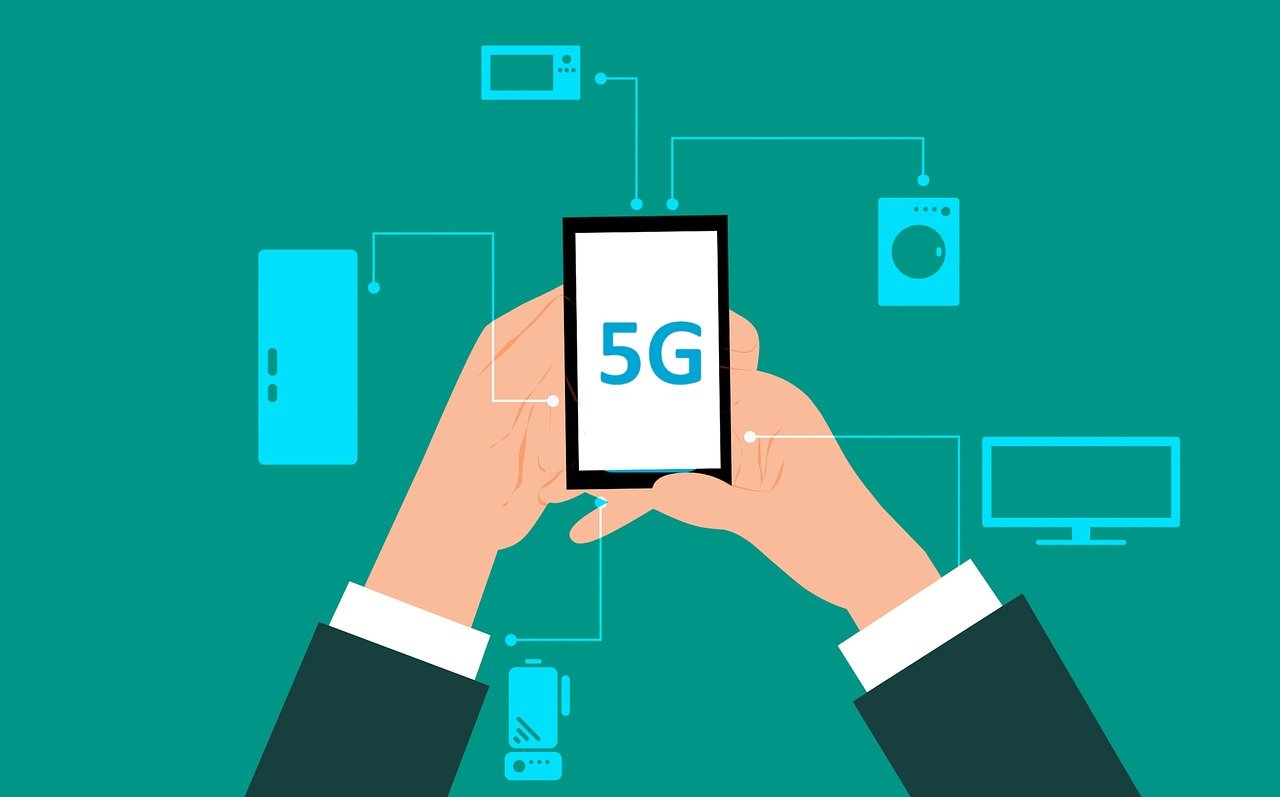
- Increased Capacity: 5G can support up to 1 million connected devices per square kilometer. This is essential for the growing Internet of Things (IoT) ecosystem, where many devices—from smart home appliances to industrial sensors—need reliable connectivity.
- Improved Reliability: Enhanced network architecture and technologies improve connection stability, even in crowded areas like stadiums or city centers.
Impact of 5G on the Internet
Enhanced Mobile Internet Experience
The most immediate effect of 5G is on mobile internet use. With faster speeds and lower latency, activities such as video streaming, video calls, and online gaming will become much smoother and more enjoyable. High-definition video can be streamed without buffering, and augmented reality (AR) or VR experiences can be accessed on mobile devices without lag.
Boost for IoT and Smart Cities
5G’s ability to connect a massive number of devices simultaneously will accelerate the growth of the Internet of Things. Smart homes with connected appliances, smart traffic lights managing city traffic, and environmental sensors monitoring pollution will all benefit from the reliable, fast connectivity 5G offers. This will lead to more efficient, automated, and data-driven urban environments.
New Applications and Innovations
The low latency and high reliability of 5G open doors for new applications that were previously impossible or impractical with 4G. For example:
- Autonomous Vehicles: Self-driving cars require ultra-fast, real-time data exchange with each other and traffic infrastructure. 5G can enable safer, more efficient autonomous driving.
- Remote Surgery: In healthcare, surgeons could perform operations remotely using robotic tools controlled via 5G networks with near-zero delay.
- Industrial Automation: Factories can become fully automated and remotely controlled, improving productivity and reducing human error.
Impact on Traditional Internet Infrastructure
5G also has implications for traditional wired internet infrastructure. As 5G networks become more widespread and reliable, some users may choose mobile 5G connections over fixed broadband services. This could change the dynamics of internet service providers and influence how internet infrastructure investments are made globally.
Challenges and Concerns
Despite its benefits, 5G faces several challenges:
- Infrastructure Deployment: Building 5G networks requires a dense network of small cells, especially for high-band mmWave frequencies. This means installing many new antennas and equipment, which can be costly and face regulatory hurdles.
- Device Compatibility: To use 5G, consumers need compatible devices. While many modern smartphones now support 5G, older devices do not.
- Security Risks: The increased number of connected devices and complexity of networks may create new vulnerabilities. Ensuring robust cybersecurity for 5G networks is critical.
- Health Concerns: Some people have raised concerns about potential health effects of 5G radiation, although scientific consensus so far indicates no significant risks from exposure to 5G frequencies.
- Digital Divide: There is a risk that rural or underserved areas might be left behind due to the cost and complexity of deploying 5G infrastructure in less populated regions.
The Future of 5G and Beyond
5G is just the beginning. Researchers and companies are already exploring 6G technology, which could bring even faster speeds, more intelligence, and deeper integration of AI with network management. However, widespread 5G adoption will take time, and its full benefits will unfold over the coming years as networks expand and new applications emerge.
Conclusion
5G networks represent a significant leap forward in wireless communication technology. By providing faster speeds, lower latency, and the ability to connect a vast number of devices simultaneously, 5G will transform the internet experience, enable new technologies, and foster innovation across many industries. While there are challenges to overcome, the impact of 5G on the internet and everyday life will be profound, shaping a more connected and smarter future.